Tangle Color by Number Book
LoveColoring GameBoard
4.9612.00 Reviews
- Version
- 1.2.1
- Installs
- 1.00M
- Age Rating
- Everyone
Screenshots
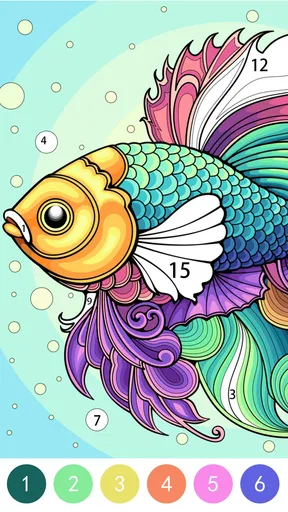
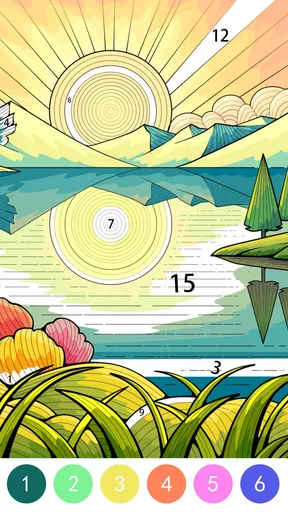

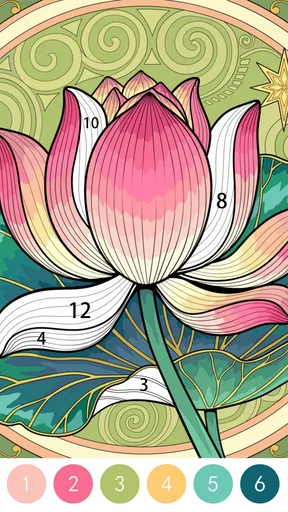
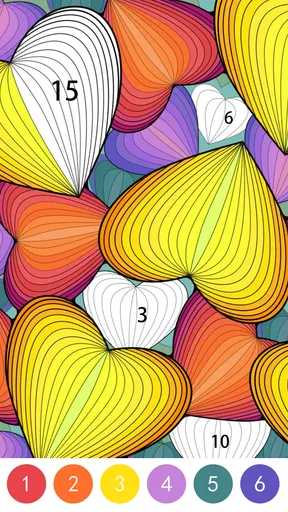
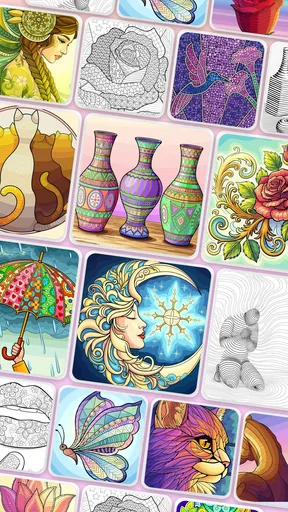
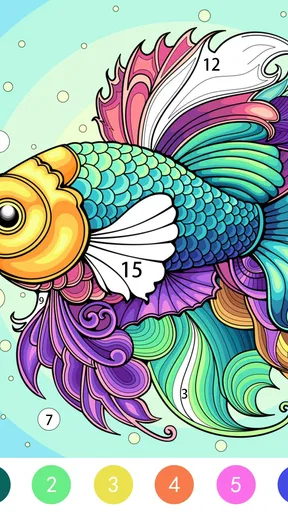
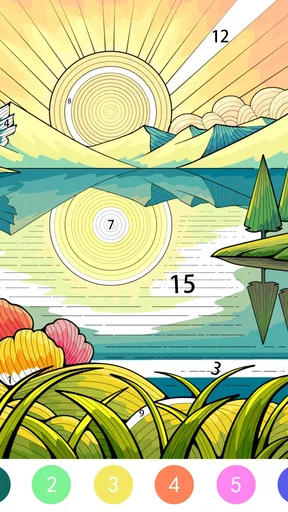
Our Review of Tangle Color by Number Book
 Analysis by Appyee
I spent time with Tangle Color by Number Book as a quiet, low-pressure board game rather than as a traditional puzzle competition. Its central appeal is simple: it gives me a picture, divides the work into numbered color areas, and lets me build the image one section at a time. That makes it easy to start when I want something relaxing, but the experience is more satisfying than the short store summary, “Tangle Color,” might suggest.
The game is made by LoveColoring Game and is free to install. It belongs to the board category, although I would describe the actual experience as a blend of coloring, light visual matching, and casual puzzle play. It is aimed at Everyone, so it is approachable for a broad audience, including children using a device with adult guidance and adults who want a few calm minutes without learning a complicated rule set.
What stood out to me most is how little preparation it requires. I do not need to understand a story, memorize controls, or compete against another player. I simply choose a picture and begin filling the numbered spaces. That directness is also the main limitation: anyone looking for strategy, social play, or a demanding board challenge will probably find it too gentle.
How the current version feels in everyday use
The current release is version 1.2.1, and the game feels focused on its basic coloring loop. I found that useful because the interface does not ask me to manage several systems at once. The task stays visible in front of me: identify the required color, locate matching numbered sections, and tap carefully enough to complete the artwork.
That structure works especially well after a busy day. In one realistic use case, I opened it while waiting for an appointment and completed a small portion of an image without needing sound or a long uninterrupted session. I could stop and return later without feeling that I had lost progress in a fast-moving round. For me, that makes it better suited to short breaks than many conventional board games, which often become frustrating when interrupted.
The number system also gives the activity a modest sense of direction. Free-form coloring can be enjoyable, but it leaves every creative decision to the player. Here, the numbered spaces provide a route through the picture. I still get the visual reward of watching an image develop, while the game removes the pressure of choosing a palette or deciding what to draw next.
I would not call the game completely mindless. Small areas can require attention, particularly when nearby sections look similar or when I am moving quickly. The challenge is not deep strategy; it is maintaining enough visual focus to match the correct number and avoid tapping randomly. That is a good fit for players who want concentration without the tension of a timed puzzle.
One practical tip improved my experience: I stopped trying to finish every visible section in a single sitting. Instead, I treated each picture as a sequence of short sessions, beginning with the larger, easier regions and leaving the tiny details for when I felt patient. This made the final stage feel more rewarding and reduced the irritation that can come from repeatedly searching for one small unfinished space.
The game is also a reasonable choice for families who want a simple shared activity on one device. A younger player can handle the color matching while an adult helps locate difficult areas, and the rules are easy to explain without turning the session into a lesson. Still, because the age rating is Everyone rather than an indication of a specialized educational product, I would use it as casual entertainment, not as a substitute for a structured learning app.
What the number-color workflow gets right
The strongest part of the design is the way it turns a blank-looking image into a series of manageable decisions. I never have to solve the whole picture mentally. I only need to deal with the current color and the spaces associated with it. That reduction in mental load is why I found the game calming rather than demanding.
There is a useful rhythm to the process. I can scan for larger numbered areas, fill them, and then move toward finer details. The picture gradually becomes easier to read as more colors appear. This creates a small visual payoff throughout the session instead of forcing me to wait until the very end to see whether my work has made a difference.
Another strength is accessibility. The controls are based on ordinary taps, so the game does not require a controller, rapid swipes, or precise movement across a complicated interface. Someone who dislikes traditional board-game rules may still enjoy it because the objective is immediately understandable. It is also a good option for players who prefer quiet solo activities over competitive games.
However, the same simplicity can make the opening moments feel repetitive. If I am in the mood for a stronger sense of discovery, a narrative puzzle, or a board game with meaningful choices, the number-color method will not provide enough variety on its own. I see it as a relaxation tool with game elements, not as a full replacement for a strategy board game.
How it compares with ordinary coloring and board-game alternatives
Compared with a physical coloring book, this game is more convenient because I do not need paper, pencils, or a surface to work on. It also gives me a defined target, which helps when I want a finished-looking image without planning the composition myself. The trade-off is that I have less personal control over the final colors and cannot reproduce the tactile feeling of paper and colored pencils.
Compared with free-form digital coloring apps, the numbered approach is less expressive but more guided. I would choose Tangle Color by Number Book when I want to relax without making artistic decisions. I would choose free-form coloring when I want to experiment with unusual combinations, add my own details, or treat the image as a personal project.
Against conventional board games, it is much easier to start and stop, but it offers less strategic depth. There are no meaningful turns, negotiations, resource choices, or opponent reactions shaping the session. That makes it ideal for solo downtime, yet a poor fit for a group looking for conversation and competition around a table.
It also differs from fast casual puzzle games. Those games often reward speed, chain reactions, or repeated attempts at a high score. Here, the reward comes from completion and visual progress. I would recommend it to someone who finds timers stressful, but not to a player who needs constant action or a challenging score chase to stay interested.
Changes, maturity, and what version 1.2.1 means for players
Because the game has reached version 1.2.1 after its release on December 4, 2024, I view it as an early product that has already moved beyond its first public build. The version number suggests an incremental stage of development rather than a dramatic redesign, so I approached it expecting refinement around the existing idea, not a completely different game.
That distinction matters for existing users. If someone already enjoys the number-color format, the current version is best understood as the present form of that focused experience. I would not install it expecting a new genre, a large strategic layer, or a major change in how coloring works. The appeal remains the same: accessible pictures, simple input, and a calm completion loop.
For a new player, the current state is easier to judge on its own. The game has attracted more than a million installs and holds a 4.9 average from roughly fifteen thousand ratings, with over six hundred written reviews. Those figures indicate strong user enthusiasm, but they do not remove the need to decide whether this particular style of play suits you. A high average can tell me that many people enjoy the concept; it cannot make a gentle coloring game feel deep to someone who wants complex tactics.
The free entry point is another important part of the current experience. I can try the core idea without paying upfront, which makes the decision straightforward: install it, complete enough coloring to understand the rhythm, and then decide whether it deserves a regular place on the phone. In-app purchases range from $0.99 to $49.99 per item, so I would pay attention before confirming any optional purchase, especially on a shared family device.
My advice is to treat the free version as a trial of the workflow rather than assuming that every possible picture or convenience will be included without cost. The purchase range is broad enough that younger players should have spending controls managed by an adult. This is not a criticism of the coloring concept itself, but it is a practical consideration for anyone choosing the game for a child.
Where the experience still has room to improve
The main gap is depth. Once I understood the number-matching routine, the experience became predictable. Predictability is part of its relaxing character, but it also means the game may lose its appeal for players who need new rules, changing objectives, or a stronger sense of mastery.
There is also a trade-off between guidance and creativity. The numbered format prevents many mistakes and makes completion accessible, but it limits experimentation. I cannot approach the same picture as a personal composition in the way I could with a blank canvas. If my goal is artistic expression rather than guided relaxation, another kind of coloring app would be more suitable.
Small detailed sections can become a source of friction. When I was close to finishing an image, the remaining work required more searching than coloring. That is common in this format, but it affects the ending of a session: the final portion may feel like cleanup instead of discovery. Working in a deliberate order helps, and I found it better to zoom or inspect carefully rather than tap repeatedly and hope the correct area responds.
The game is not the right choice for someone seeking multiplayer interaction, a story campaign, or a board-game simulation with clever decisions. It is also unlikely to satisfy players who judge a game mainly by challenge or replay variety. I would skip it if my priority were competitive progress, complex problem solving, or a large social community inside the game.
Device compatibility is broad enough for users of Android version 8.0 or later, which makes it accessible on many older phones and tablets. Even so, the quality of a coloring session depends on screen size and touch comfort. On a small display, tiny areas can be less pleasant to select; a larger screen is preferable if the intended player has difficulty distinguishing small sections.
Who should try it and how to get more from it
I think it is best for adults who want a quiet reset, children who enjoy guided visual activities, and casual players who prefer completion over competition. It also suits people who are curious about digital coloring but do not want to begin with a blank page. The game gives enough structure to make starting easy while still providing a visible sense of progress.
For a more satisfying routine, I recommend choosing a stopping point before beginning. Completing one color family or one broad region can feel more purposeful than leaving the session open-ended. I also found it helpful to slow down near the end, when the remaining spaces were smaller and more visually similar. Accuracy matters more than speed here, and rushing adds frustration without creating a meaningful advantage.
Another useful approach is to use the game according to your energy level. When I wanted something almost automatic, I worked through the largest obvious sections. When I wanted a little more focus, I searched for the smaller numbered areas and treated the picture like a visual scavenger hunt. This changes the feel of the same basic activity without pretending that it has a deeper rule system than it really does.
Parents should explain that the game is free to start but includes optional purchases. That conversation is more useful than presenting it as a completely cost-free activity. Since the content rating is Everyone, the game is broadly approachable, but age suitability still depends on how a child handles screen time and whether an adult wants to supervise purchases.
What I would watch as the game develops
The most important future question is whether LoveColoring Game can preserve the calm, uncomplicated identity while adding enough freshness for long-term users. New picture variety would help, but the best improvements would also reduce the end-of-image friction that appears when only tiny sections remain. Better organization of unfinished areas or clearer guidance could make completion feel smoother without changing the core idea.
I would also watch how the balance between free access and optional purchases develops. The current price structure makes it sensible to try before spending, but returning users will want to feel that the free experience remains worthwhile. For families, transparent purchase handling is especially important because the game’s easy controls make it accessible to younger players as well as adults.
Existing users should update with realistic expectations: version 1.2.1 represents the current stage of a focused coloring board game, not a promise of a radically expanded experience. New users should judge it by one simple question: do I enjoy filling numbered spaces and watching an image take shape? If the answer is yes, the straightforward design is a strength. If the answer is no, additional content would not solve the basic mismatch.
After using it, I see Tangle Color by Number Book as a pleasant, focused choice for quiet moments. It does not try to compete with strategic board games or expressive art tools, and I appreciate that clarity. Its real strength is turning a few spare minutes into a guided, low-pressure creative break. I would recommend it to anyone who wants that specific feeling, while steering ambitious puzzle fans and competitive players toward a more demanding alternative.
For me, the final verdict is positive but measured. The free download makes it easy to test, the Everyone rating keeps the concept approachable, and the strong reception shows that the format connects with many players. Just remember what you are installing: a gentle number-color activity from LoveColoring Game, not a complex board strategy title. If that sounds like the kind of screen time you want, Tangle Color by Number Book is an easy recommendation.
Verdict
Strengths of Tangle Color by Number Book
- Simple tap-to-color controls are easy for beginners and casual players.
- Relaxing gameplay works well for short breaks or stress-free entertainment.
- Many designs offer a satisfying sense of progress as colors are completed.
- No drawing skills are needed, making it accessible to a broad audience.
- Coloring can be enjoyed offline in many situations, such as travel or commuting.
Limitations of Tangle Color by Number Book
- Some artwork or features may require in-app purchases to unlock.
- Repeated coloring mechanics can become monotonous over longer sessions.
- Small sections may be difficult to select accurately on smaller screens.
- Ads can interrupt the experience, depending on the version and settings.
- The app may use noticeable storage as additional coloring pages are downloaded.
Other Releases by LoveColoring Game
View All
Fairytale Color by number game
Board4.9

Country Farm Coloring Book
Board4.9

Pop Color - Paint by number
Board4.8

Pop Jigsaw - Jigsaw Puzzles
Board4.9
Similar Picks in This Category
View All
Ludo King®
Gametion4.1

Ludo
Yarsa Games4.6

Tile Master® - Matching Game
Higgs Studio3.6

Checkers Online
CC Games4.6

Dominoes
Loop Games4.7

Chess
Chess Prince4.6
Frequently Asked Questions
What is Tangle Color by Number Book?
Tangle Color by Number Book is a relaxing coloring app based on numbered sections and intricate, tangle-style artwork. You choose an image, select the matching colors, and fill each area by tapping or dragging across the design. The app is aimed at casual players who enjoy creative activities, calming visuals, and short sessions rather than competitive gameplay or complex puzzles.
How does the coloring system work?
Each picture is divided into small numbered sections, with every number linked to a specific color in the palette. After selecting a color, you fill the corresponding areas until the illustration is complete. The experience is generally easy to understand, although highly detailed drawings may require patience and careful zooming. It is more about concentration and relaxation than artistic skill.
Can I use Tangle Color by Number Book without an internet connection?
Some coloring activities may be available after they have been loaded, but offline access can depend on the app version, device, and whether additional artwork is downloaded from the internet. If you plan to use it while traveling or without mobile data, open the app beforehand and check that your preferred pictures are accessible. Online features, advertisements, updates, and purchases may still require a connection.
Is Tangle Color by Number Book free to download and play?
The app may be free to install, but free access can include advertisements, optional purchases, locked artwork, or premium features. The exact arrangement can change with updates and may differ between Android and iOS. Before downloading, review the store listing and in-app purchase information carefully, especially if children will use the app or if you want uninterrupted coloring without advertising.
Is Tangle Color by Number Book suitable for children and adults?
The simple tap-to-color controls make Tangle Color by Number Book approachable for many children, while the detailed patterns and calming pace can also appeal to adults. However, some designs may be challenging for younger users because of tiny sections and similar-looking colors. Parents should check the app’s age rating, advertising, privacy information, and purchase settings before allowing unsupervised use.
Play our best games!


